Our Location
PorschestraBe 102
Wolfsburg, Germany 38440

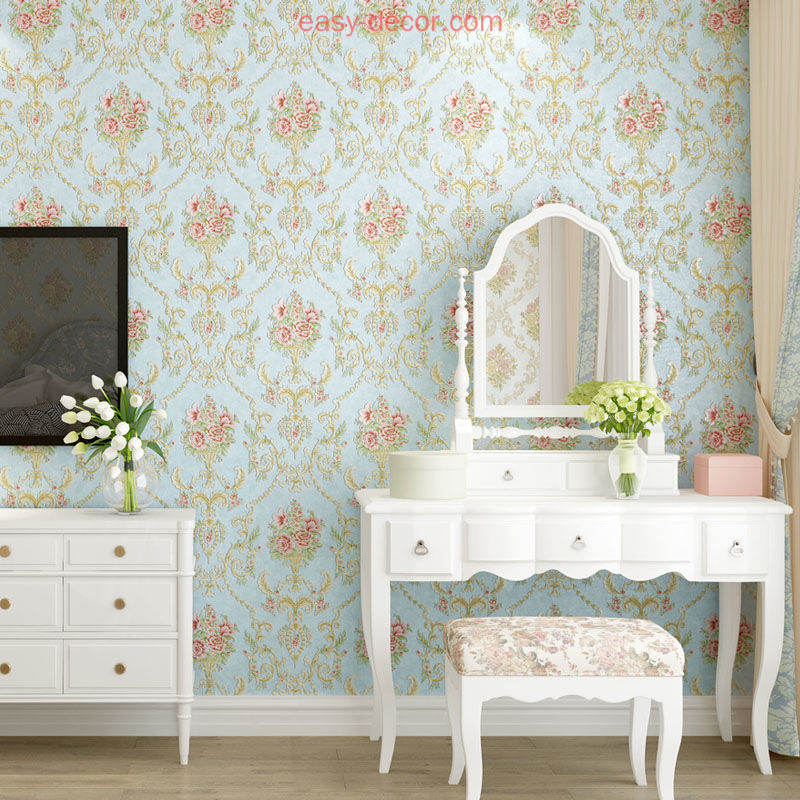
What will come into your mind first regarding this issue? Communication? Negotiation? Yes. We will definitely cover these topics later. But, there are other topics that cannot be ignored: the area you would like to renovate or decorate, the spending of your plan, the complexity of the project, and the possibility of undoing what you have tried. Replacing a new vase vs. tearing down a house & build a new one, which one is easier to discuss? You must get it by now. Not all renovation projects are born equal, especially getting affirmation from your spouse.
I am not saying to compromise or lower standard to your renovation plan. For example, if there is mold in the wall, you might need to deal with it immediately. Cover up the appearance is not going to help and will bring in more problems. I am talking about what you really want. And there might be multiple ways to achieve that. Among those choices, the easier way might be cost-effective, visual appealing, and more likely to be accepted by your spouse. Here are a few examples that might be helpful:
When you want to give your room a new look, changing the light and the wall background might be more than enough. Peel and stick wallpapers with multiple patterns to choose from are easy to install, visual appealing, low maintenance required, removable, DIY-friendly and budget friendly. Give your wall a new look is not that difficult or cash burning. You may install it by yourself for panoramic wall or simply one side of the wall. Since it is removable, it can be a perfect middle ground for trying new color. Then it is not a serious discussion but rather an realistic experiment. Both you and your spouse may change your mind as time goes by. Or maybe your pet likes it.
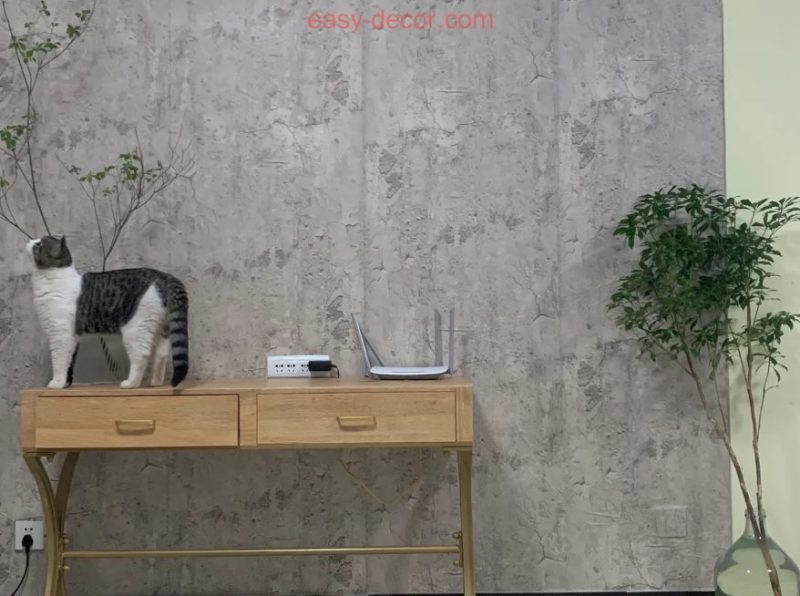
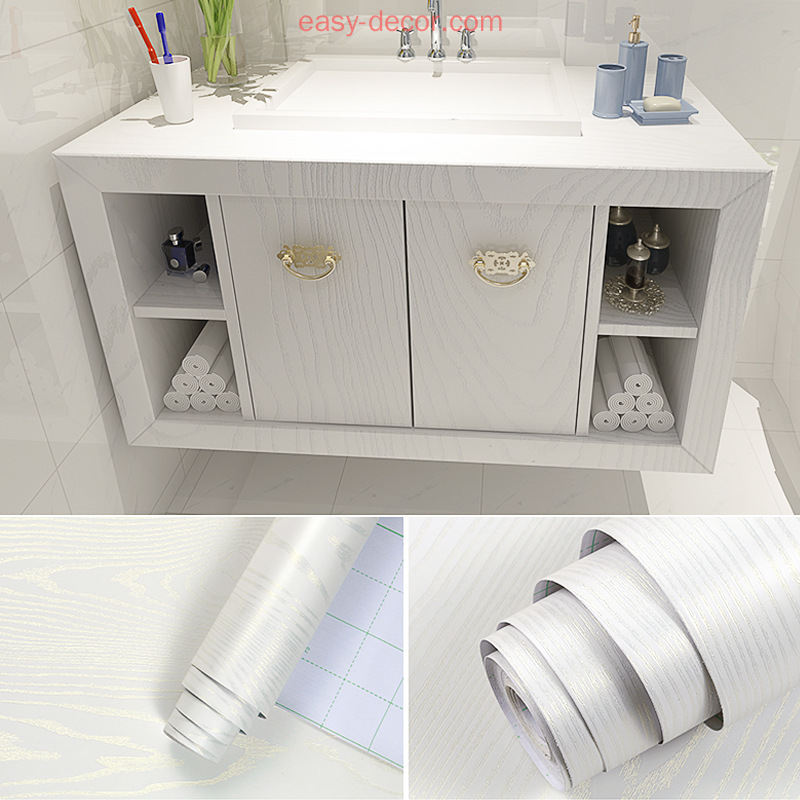
Also, when your furniture gets old, you might want to use contact paper for furniture renovation as well. This way you do not need to replace the entire furniture. See the difference? Changing the look of the furniture is completely a different topic compared to changing the furniture. And adhesive wallpaper is adding fun to the process.
Instead of changing your tile or floor, you might want to try floor & tile sticker. Here is the dilemma: If you want to replace floor or tile in the whole room, the budget is not low and it may take days to wait for completion. If you want change only part of the tile or floor instead of the whole room, you will always see the difference between the old part and the new part. Floor tile sticker can be a good choice when you consider tile transfer. Multiple patterns available and it is peel and stick as well.
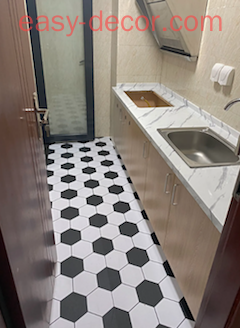
Bathroom wallpaper & floor sticker on both floor and table: Hexagon pattern for floor & jazz white for table and cabinet surface.
Photo provided by happy customer.
Similar to the logic above, change the appearance of the sofa by using sofa cover, is a complete different project compared to changing a new sofa.
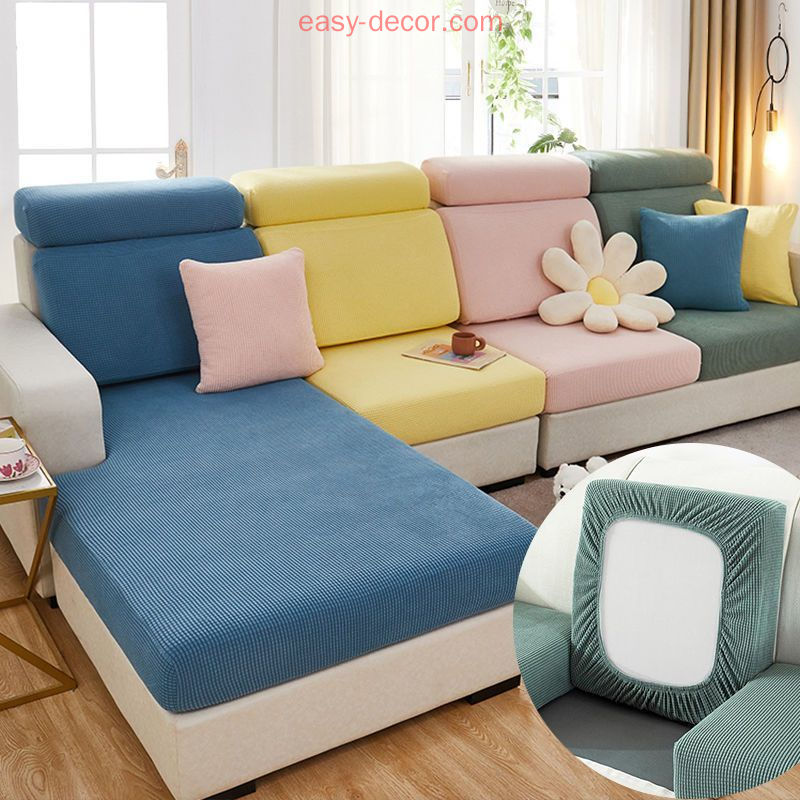
I am just giving some examples here. You can be more creative to your home decoration or renovation. It is the place you live and love. Again, I want to show you these easy options. They can be DIY-friendly, wallet-friendly, visual appealing and always fun to try with your partner.
Here comes to the communication and negotiation part. Decorating a home often feels like a solo mission, especially if one person is more enthusiastic about design changes than the other. If you find yourself leading the charge in home decor while your spouse seems disinterested or resistant, it can feel like you’re constantly navigating a series of hurdles. Instead of letting these challenges derail your decorating dreams, try these strategies to build consensus and make the process more enjoyable for both of you.
Start by having a dialogue about your home’s aesthetic. Rather than laying out your entire plan, ask your spouse about their thoughts on the space. Questions like “How do you feel about our living room right now?” or “Is there anything you’d like to change?” can help uncover their preferences and make them feel included in the process.
Words alone might not convey your design vision effectively. Show your spouse images of the styles, colors, or patterns you’re considering. Use design magazines or online mood boards to illustrate your ideas. This visual communication can help bridge the gap between your vision and their understanding, leading to more productive discussions.
Avoid overwhelming your spouse with every detail of your decorating plan. Instead, focus on a few key elements and present them clearly. For example, if you’re thinking about new wallpaper, show them just a couple of options that you feel are strong contenders. This approach keeps the process manageable and avoids decision fatigue.
Rather than focusing on what’s not working, address specific issues with potential solutions. For instance, if clutter is a problem, suggest adding practical solutions like new shelving or storage options. By framing the conversation around problem-solving, you make it easier for your spouse to engage and support your ideas.
Communicate the positive impacts of your decorating plans. Explain how changes, like updating wallpaper or adding new elements, can enhance your living space and improve your day-to-day life. Whether it’s making the home more enjoyable for entertaining or simply refreshing the look, show how these updates will benefit both of you.
Spend some time imagining your ideal home together. Discuss what your dream space would look like and how it would make you feel. This shared vision can help align your goals and make the decorating process more collaborative. By understanding each other’s dreams, you can integrate both of your preferences into the final design.
It’s important to recognize that one person may naturally be more invested in home decor than the other. If your spouse isn’t as passionate about design, it doesn’t mean they don’t care about your home. They might just have different interests. Focus on what’s important: creating a space that works for both of you. If the budget and general direction are agreeable, use your creative freedom to make the space your own.
